Lip Seal vs Mechanical Seal: Key Differences
Have you ever worn the wrong shoes for the job?
Running shoes are great for jogging.
Safety shoes are better for a construction site.
Both are shoes, but they are made for different purposes.
The same idea applies to seals.
A lip seal and a mechanical seal may both control leakage, but they are designed for different operating conditions. Choosing the right one can improve equipment performance, reduce maintenance, and help your equipment run smoothly.
Let's understand the key differences between lip seals and mechanical seals and find out which one is the better choice for your application.
What is a lip seal?
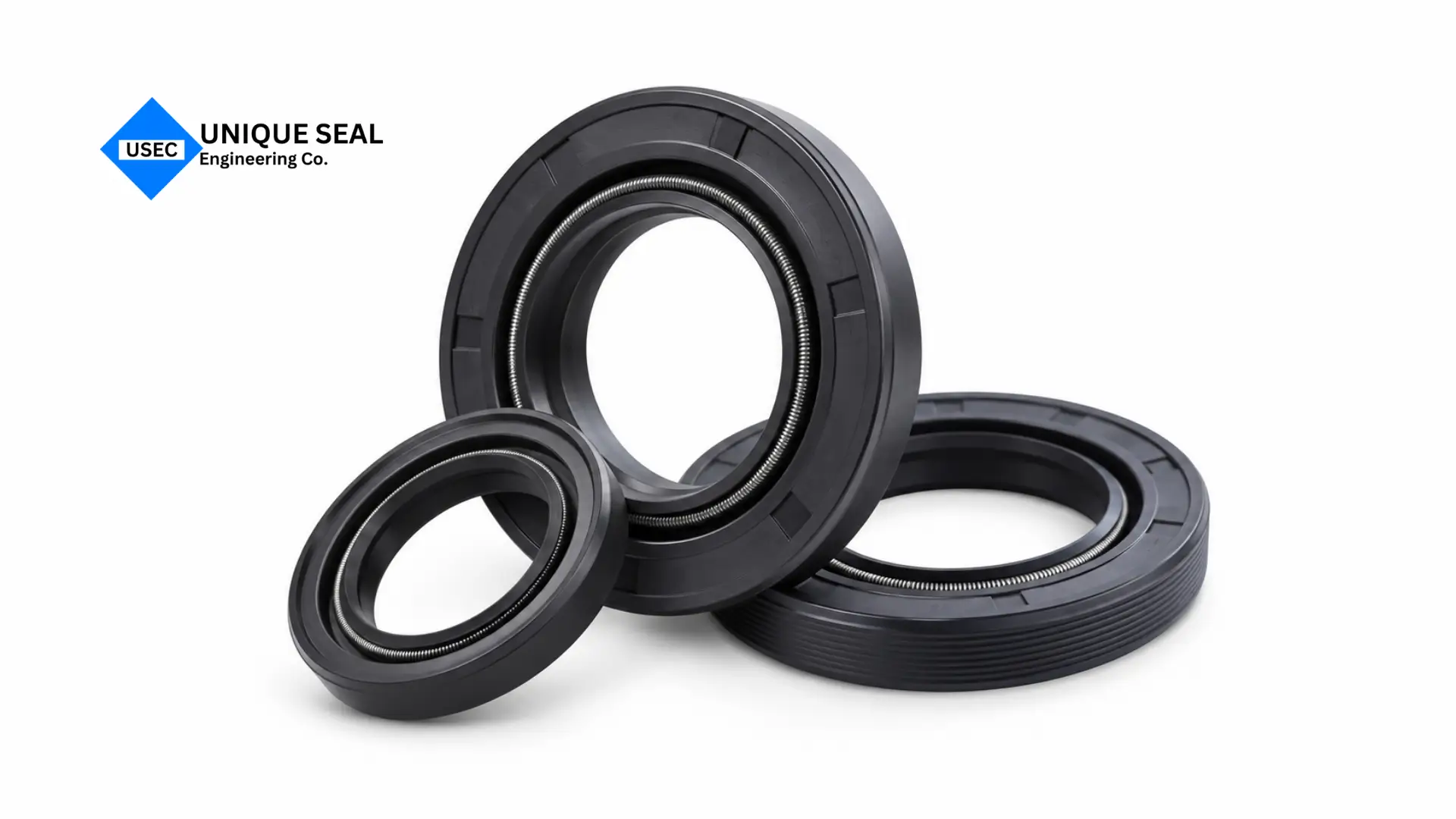
A lip seal is used to stop oil or grease from leaking out of a machine. At the same time, it also helps keep dust and water away from the moving parts inside.
Because of its simple design, a lip seal is used in many types of equipment, such as pumps, motors, gearboxes, and other rotating machines. It is also easy to replace when needed.
What is a mechanical seal?
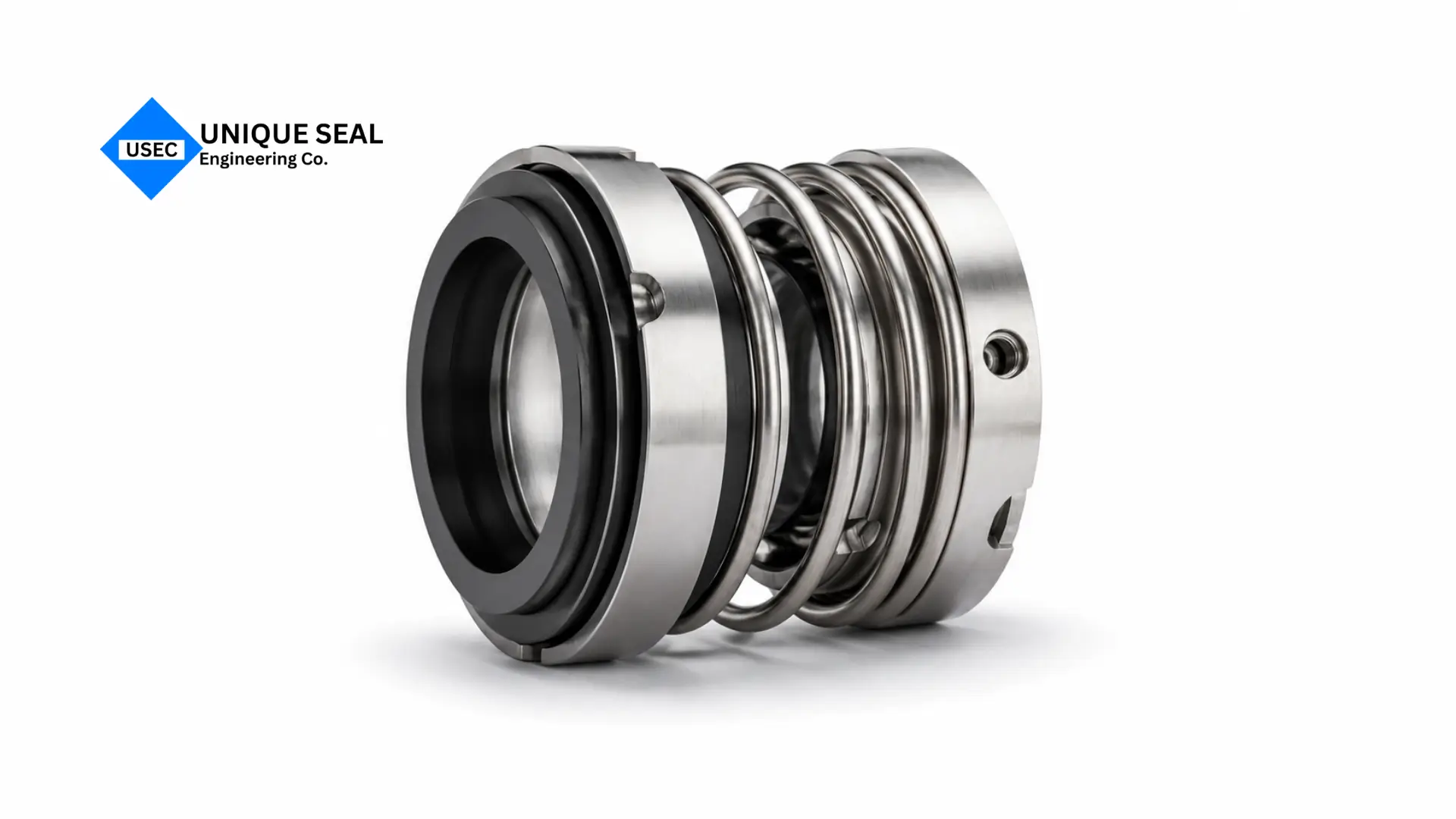
A mechanical seal is designed to control leakage in pumps and other rotating equipment. It creates a tight seal between the rotating and fixed parts, helping the pump work smoothly.
Mechanical seals are widely used in pumps because they provide better sealing and can handle higher pressure and temperature than many other sealing solutions.
Difference between in lip seal vs mechanical seal
Choosing between a lip seal and a mechanical seal becomes much easier when you know how they differ. From design and sealing performance to maintenance and cost, each seal has its own purpose. The table below gives a quick overview of the main differences.
|
Comparison point |
Lip seal |
Mechanical seal |
|
Construction |
Made with a flexible sealing lip. |
Uses rotating and stationary sealing faces. |
|
Sealing ability |
Suitable for controlling light leakage. |
Provides better leakage control. |
|
Installation process |
Simple and quick to install. |
Requires careful installation. |
|
Maintenance needs |
Easy to replace when worn out. |
Need less maintenance when installed correctly. |
|
Working conditions |
Best for low to moderate pressure and speed. |
Suitable for high pressure, high speed, and demanding applications. |
|
Expected service life |
Depends on operating conditions and shaft conditions. |
Need to last longer under the right operating conditions. |
|
Purchase cost |
Lower purchase cost. |
Higher purchase cost. |
|
Recommended applications |
Standard applications with basic sealing needs. |
Applications that require stronger sealing performance. |
Advantages & disadvantages of lip seal
Every sealing solution has its own strengths and limitations. Understanding both can help you compare the options more easily and find the right fit for your application.
Advantages of lip seal
A lip seal is a popular choice because of its simple design and affordable cost. It offers many benefits for everyday sealing applications.
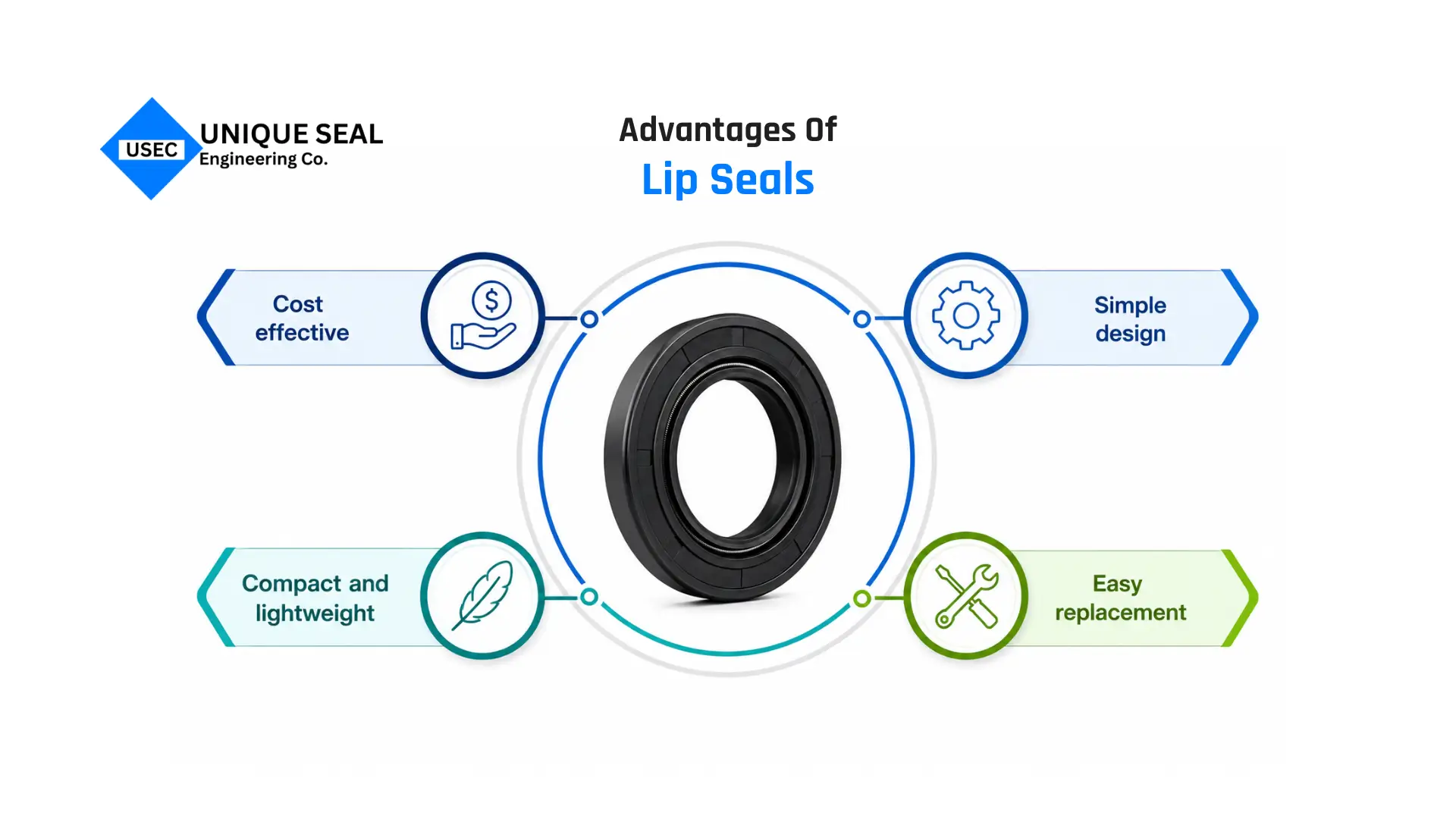
Cost effective
It is a cost-effective option because it costs less than a mechanical seal. It is a good choice for applications where basic sealing is enough and the budget is limited.
Simple design
A lip seal has a simple design compared to a mechanical seal. This makes it easy to use in many types of equipment and helps keep the sealing system simple.
Compact and lightweight
Because of its compact and lightweight, it takes up less space inside the equipment. This makes it a good choice for machines where space is limited.
Easy replacement
A damaged seal can be removed and replaced easily. This helps save time, keeps maintenance simple, and reduces repair effort. It also helps keep the equipment running smoothly.
Disadvantages of lip seal
It is a good choice for many applications, but it may not be the right option in every situation. Here are some of its common limitations.
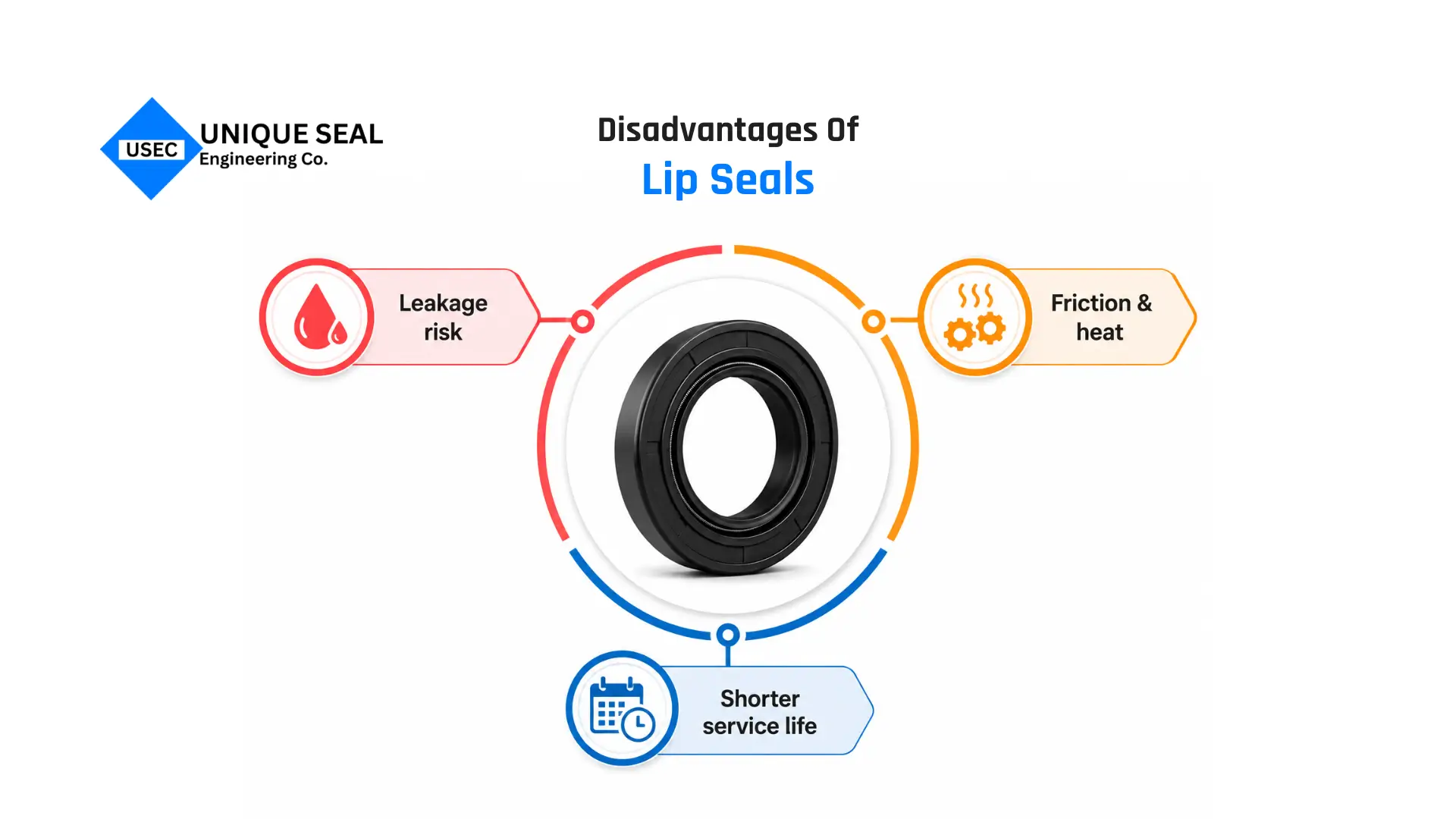
Leakage risk
A lip seal may have a higher risk of leakage when it is used in high-pressure or demanding applications. If the seal wears out, leakage can increase over time.
Friction & heat
More friction can generate extra heat during operation. This can affect the seal and reduce its service life over time. It may need to be replaced sooner.
Shorter service life
The service life of a lip seal depends on its operating conditions. If it is used in demanding applications, it may not last as long as expected. Regular inspection can help improve its performance.
Advantages & disadvantages of mechanical seal
A mechanical seal is a popular sealing solution for many pumps and machines. Knowing its advantages and disadvantages can help you understand where it works best.
Advantages of mechanical seal
It offers several advantages that make it a preferred choice for many industrial applications. Here are some of its key benefits.
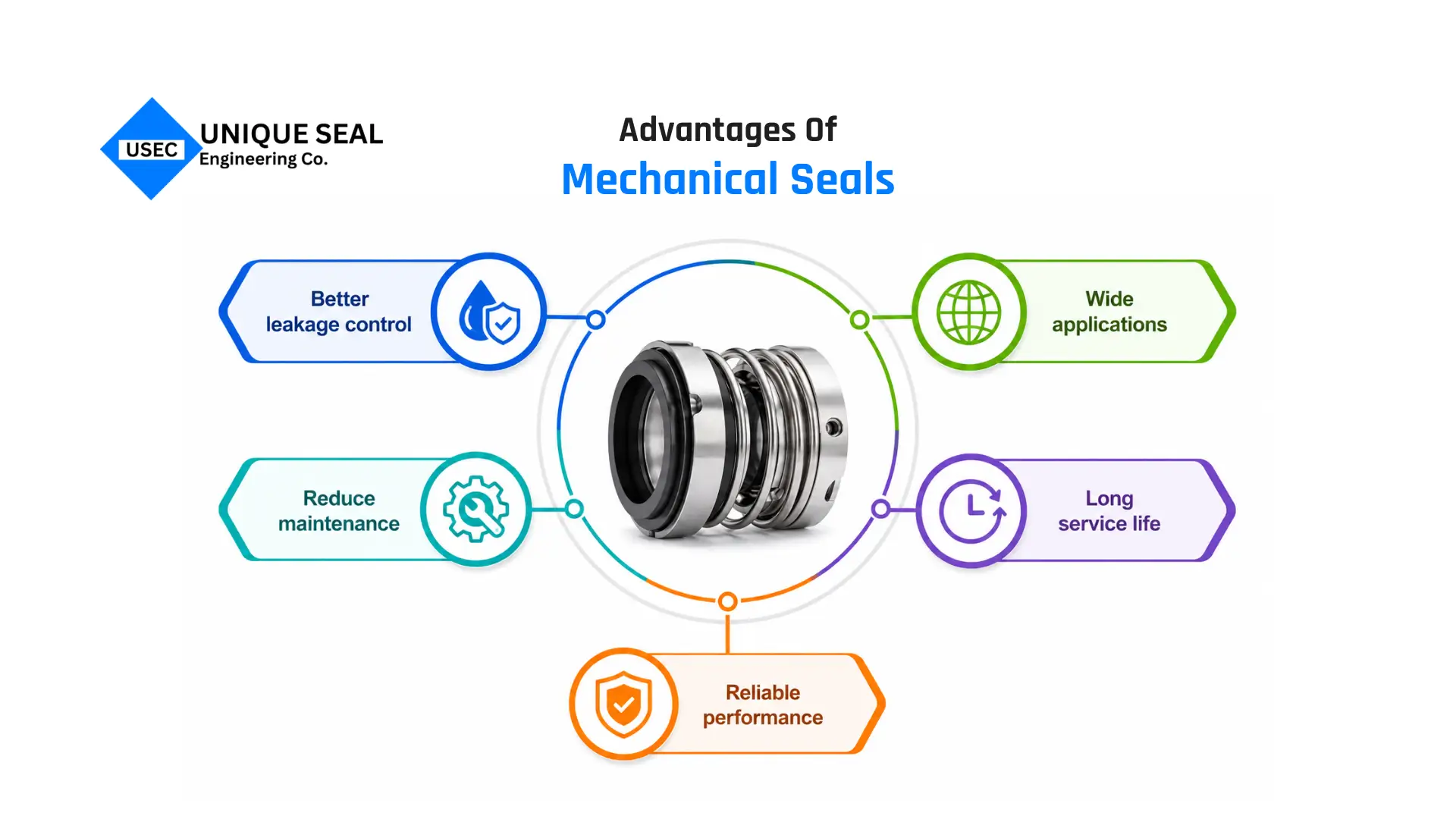
Better leakage control
A mechanical seal provides better leakage control than a lip seal. It creates a tighter seal that helps reduce leakage during operation. This helps keep the sealing area cleaner and reduces product loss.
Reduce maintenance
It helps reduce maintenance because it is designed for long-term use. With proper operating conditions, it usually needs less maintenance than a lip seal. This can help lower maintenance costs over time.
Wide applications
From water treatment plants to chemical industries, mechanical seals are used in many different applications. They can work with different types of fluids and equipment. This makes them suitable for a wide range of industries.
Long service life
Mechanical seals are designed to provide a longer service life than a lip seal. When used in the right operating conditions, it can continue working for a longer period. This helps reduce the need for replacement.
Reliable performance
It is designed to provide reliable performance in different operating conditions. They continue working well even when the pump runs for a long time. This helps keep the sealing system running smoothly.
Disadvantages of mechanical seal
A mechanical seal is a reliable sealing solution, but it may not be the right choice for every application. Here are some of its common limitations.
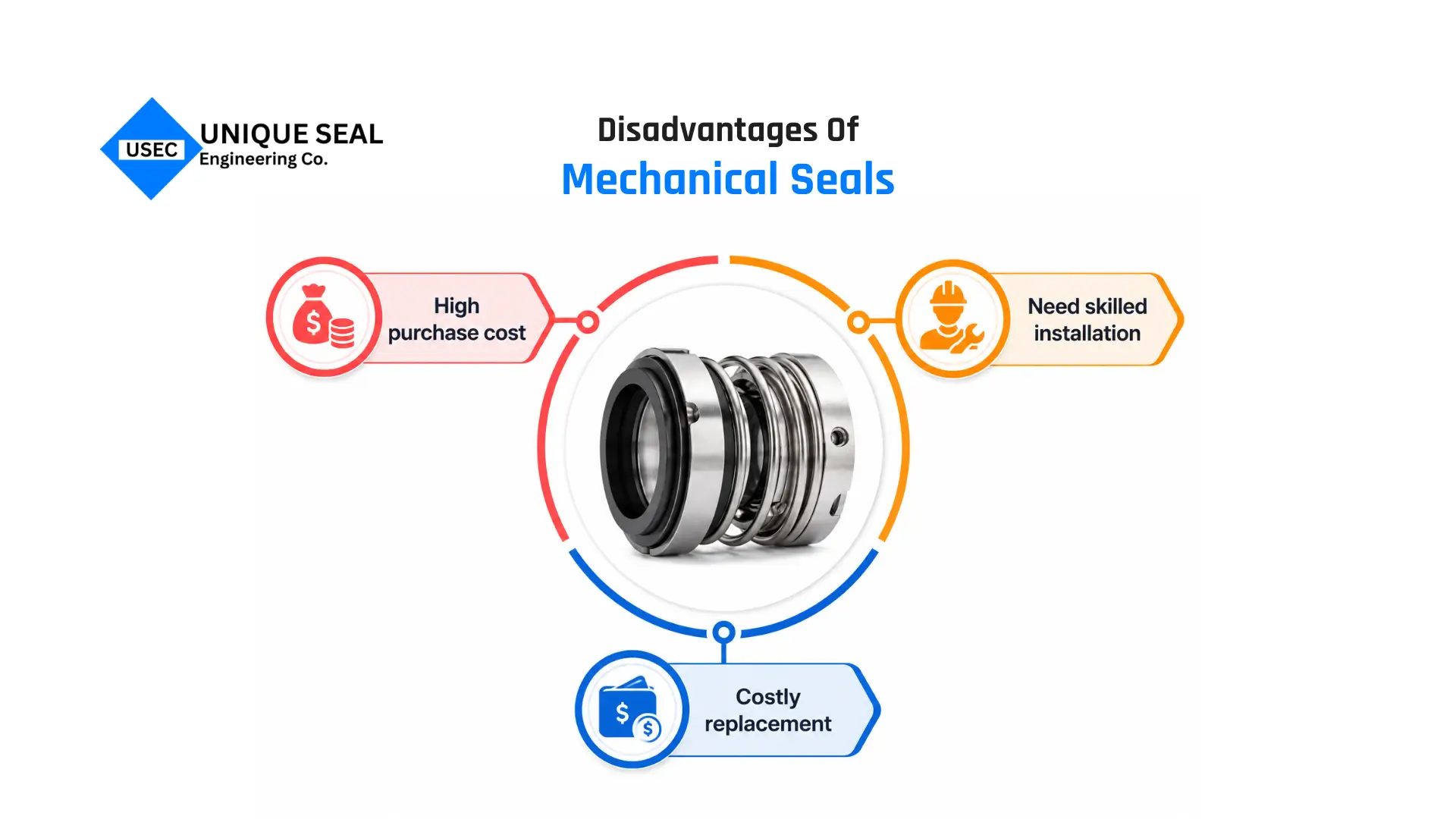
High purchase cost
The purchase cost of a mechanical seal is usually higher than a lip seal. Because of this, it may not be the first choice when the budget is limited.
Need skilled installation
Installing a mechanical seal requires the right skills and proper alignment. If it is not installed correctly, the seal may not work as expected.
Costly replacement
The replacement cost of a mechanical seal can be higher than a lip seal. This can increase repair expenses when the seal needs to be replaced.
How to choose the right seal for your application?
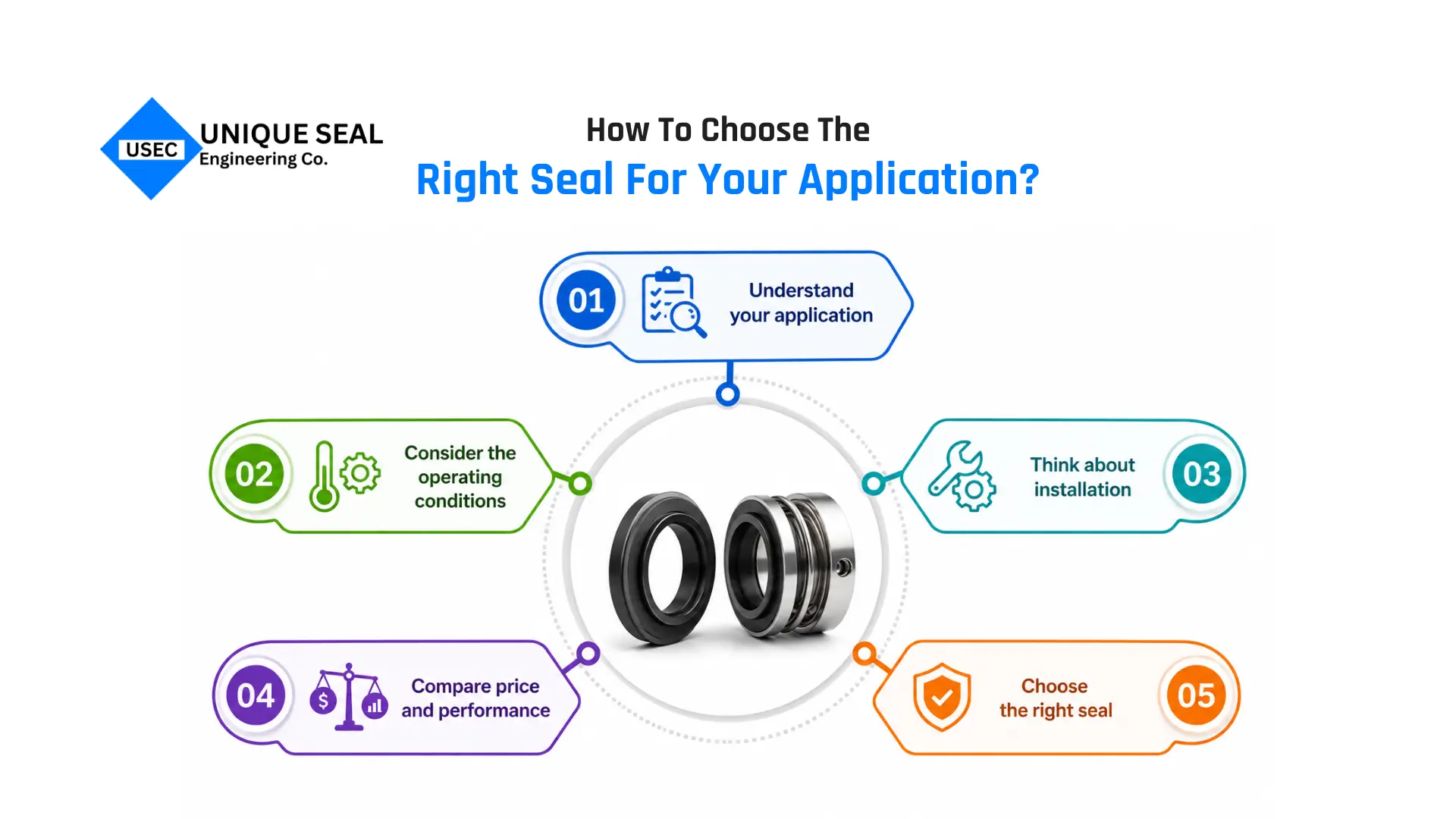
The right seal depends on your sealing needs and operating conditions. A lip seal is suitable for basic applications, and a mechanical seal is a better choice for demanding applications. Choosing the right seal helps improve sealing and reduce leakage.
Understand your application
Start by understanding your application and sealing needs. Think about the type of fluid, where the equipment will be used, and the working conditions. This helps you choose a seal that is suitable for your application.
Consider the operating conditions
Operating conditions are important when selecting a seal. Think about the pressure, temperature, and the type of fluid used in your application. When the seal matches these conditions, it performs better.
Think about installation
Installation is an important part of seal selection. A seal that matches your installation needs can make the setup process easier and help avoid unnecessary installation issues.
Compare price and performance
Price is important, but it should not be the only factor when choosing a seal. Compare the cost with the sealing performance before making a decision. This helps you get better value for your investment.
Choose the right seal
The best seal is the one that fits your application and operating conditions. Before making a final decision, compare your options carefully. This helps you choose a seal that meets your needs.
Ready to find the right sealing solution for you pump
Every application has different sealing needs, so choosing the right seal is important. A lip seal and a mechanical seal are designed for different operating conditions. Understanding these differences makes it easier to choose the right option.
When choosing a seal, think about your application, operating conditions, installation, and budget. Comparing these factors can help you select a seal that fits your needs. The right choice can also help improve equipment performance and reduce leakage.
 Choose the right sealing solution with Unique Seal Engineering Co. for dependable lip seal vs mechanical seal applications.
Finding the right mechanical seal becomes easier when you have the right support. At Unique Seals, we offer sealing solutions for a wide range of industries and applications, helping you choose a seal that matches your operating requirements.
Get your free quote today and let our team help you find the right sealing solution.
Frequently asked questions about lip seal and mechanical seal
Which is better, a lip seal or a mechanical seal?
There is no single answer because both seals are designed for different applications. A lip seal is suitable for basic sealing needs, while a mechanical seal is a better choice for high-pressure and demanding applications.
Can a lip seal replace a mechanical seal?
No, a lip seal cannot replace a mechanical seal in every application. Both seals are designed for different sealing needs and operating conditions. The right choice depends on how your equipment works and what level of sealing is required.
Which seal lasts longer?
A mechanical seal generally lasts longer than a lip seal when it is used in the right operating conditions. But its actual service life also depends on proper installation, maintenance, and the application.
Which seal is easier to install?
A lip seal is generally easier to install because of its simple design. A mechanical seal usually requires proper alignment and careful installation. Installing it correctly helps it work properly.
Are mechanical seals suitable for high-pressure applications?
Yes, mechanical seals are suitable for high-pressure applications. They are designed to handle high pressure, reduce leakage, and provide reliable performance in demanding conditions.
Why are mechanical seals more expensive than lip seals?
Mechanical seals are more expensive because they have a more complex design and provide better leakage control, longer service life, and reliable performance in demanding applications.